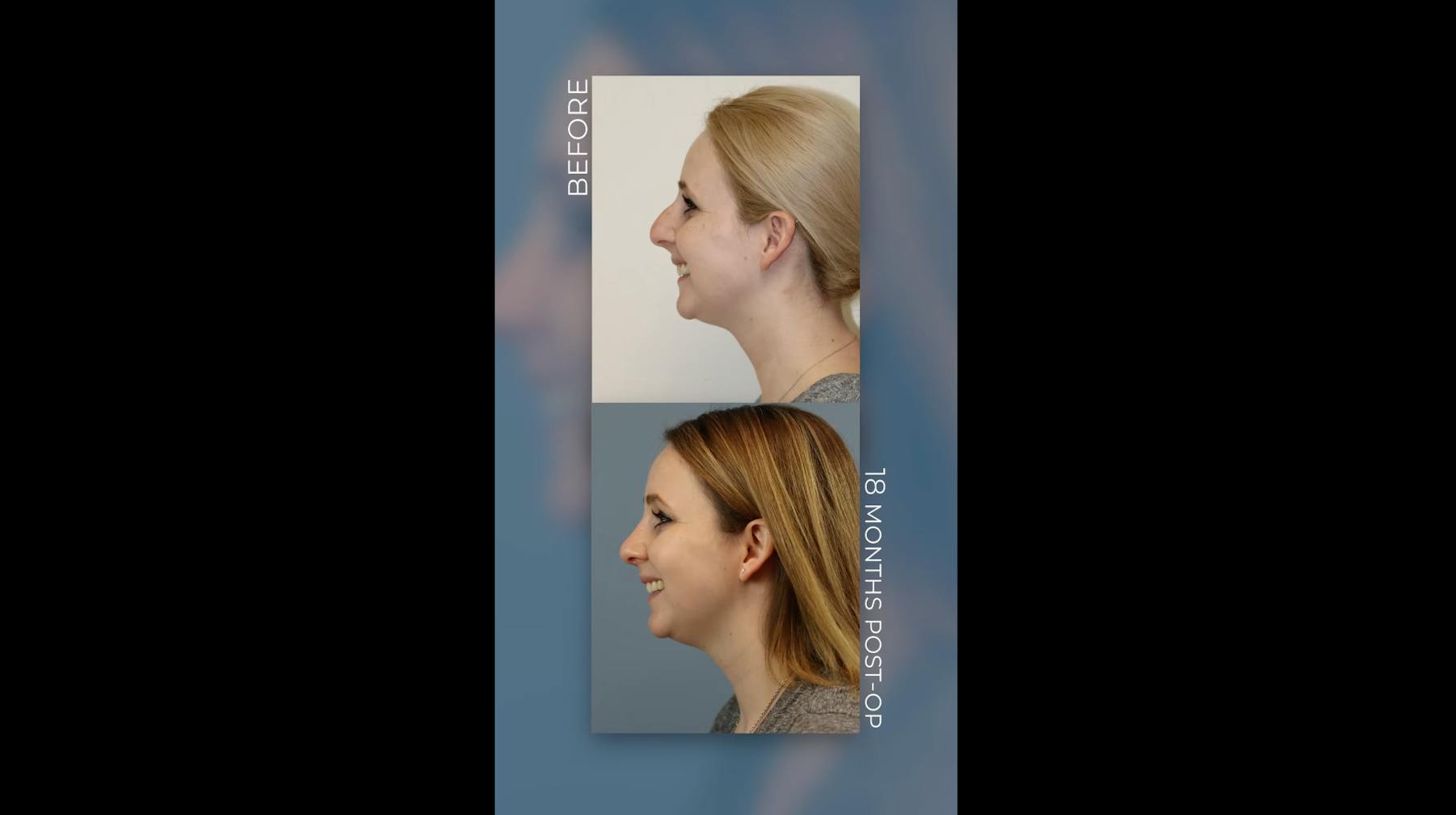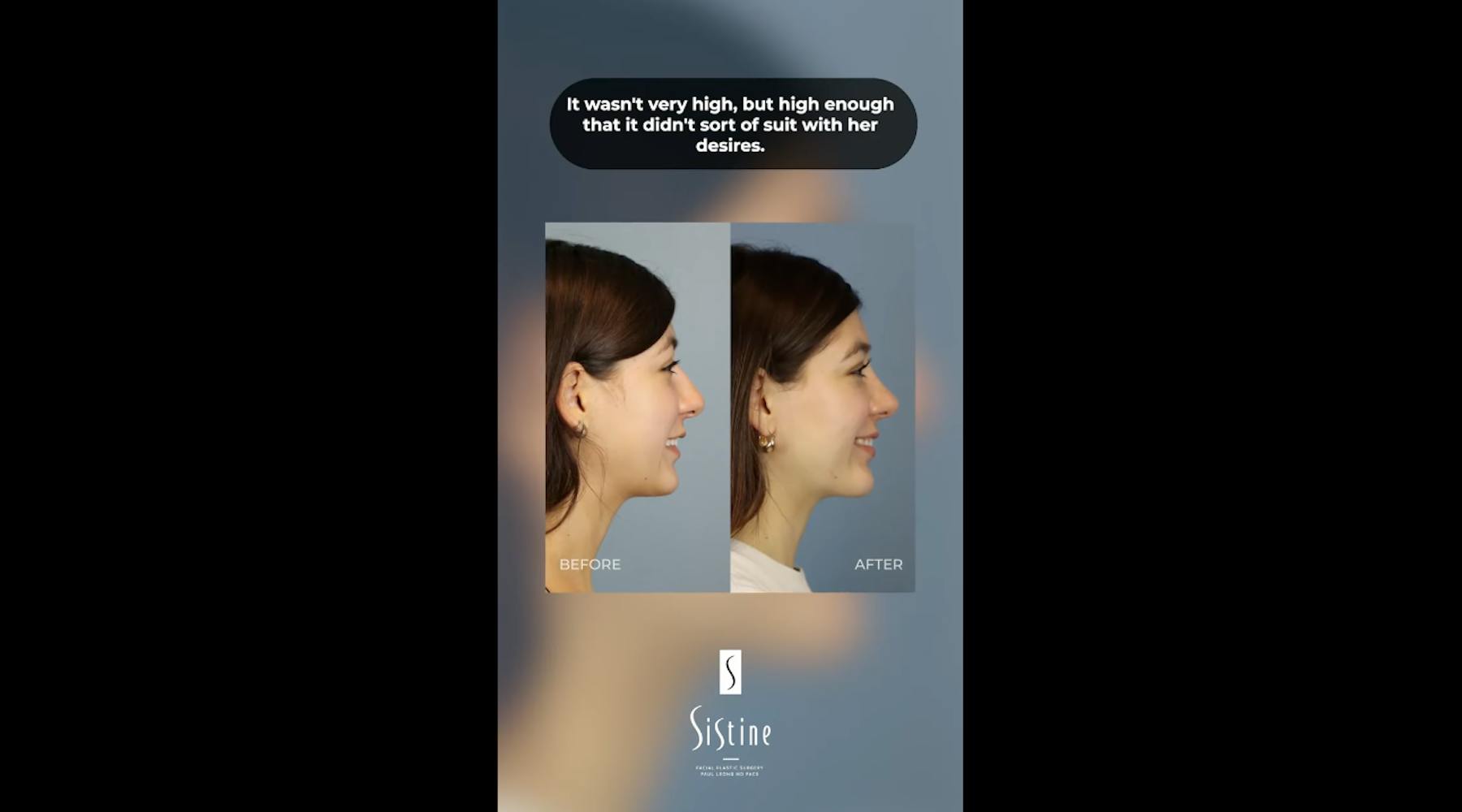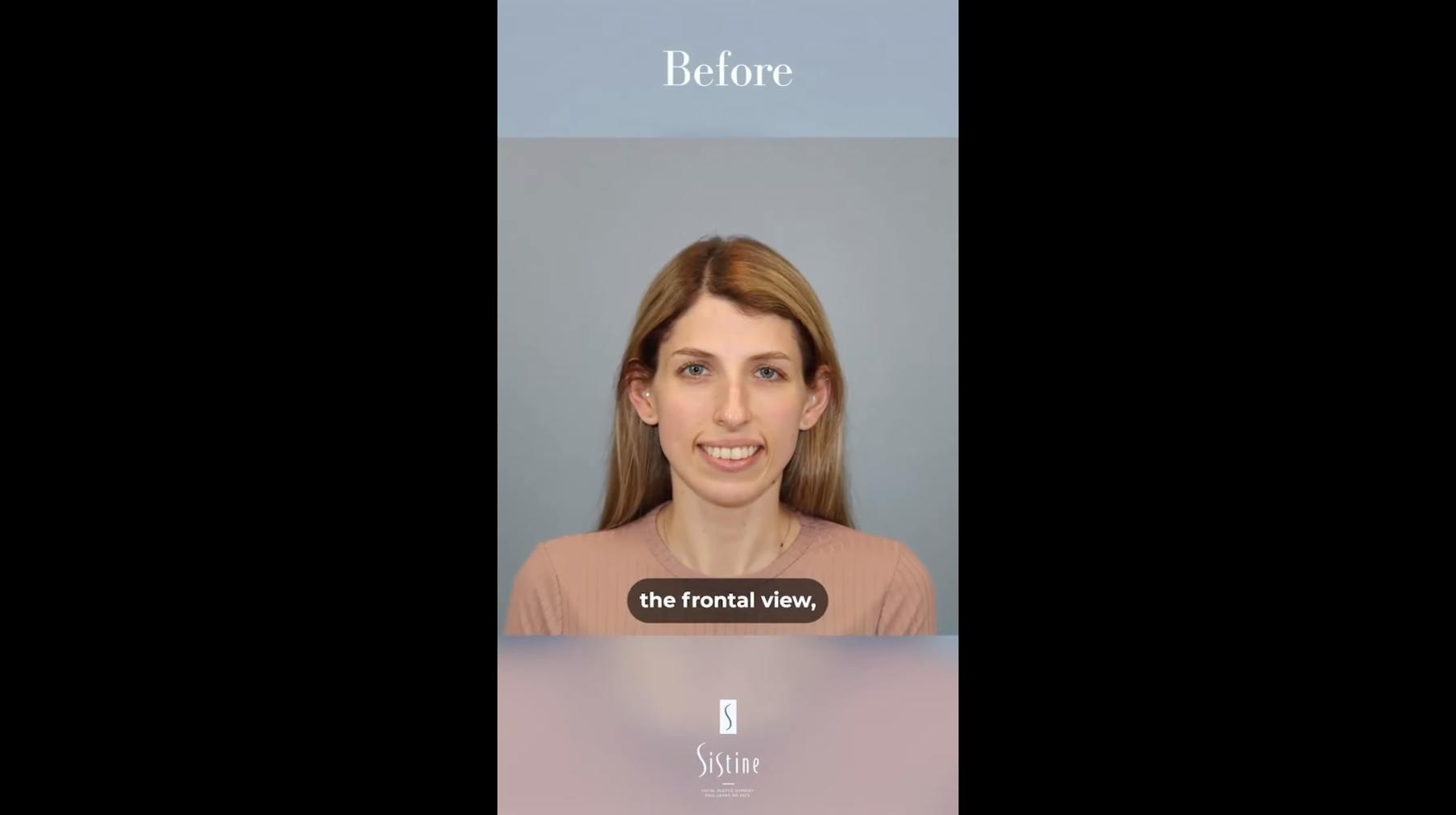
Achieve Your Ideal Nose Shape With Preservation Rhinoplasty

Preservation rhinoplasty is an advanced technique that reshapes the nose while maintaining the strength and integrity of its underlying structures. Rather than aggressively removing bone and cartilage, this approach focuses on conserving natural tissue whenever possible. The result is balanced refinement that blends seamlessly with a patient’s facial anatomy.

At Leong Plastic Surgery in NYC, Dr. Paul Leong and his highly trained team bring extensive experience in facial aesthetics to the practice of preservation rhinoplasty. Their commitment to precision and deep understanding of nasal anatomy allows them to create elegant, natural-looking results that never appear overdone.

What Is Preservation Rhinoplasty?

Preservation rhinoplasty is a specialized form of rhinoplasty that prioritizes the conservation of nasal cartilage, bone, and soft tissue. Unlike traditional rhinoplasty techniques that often remove significant structural components, preservation rhinoplasty refines the nose by reshaping and repositioning existing anatomy.

By preserving the nasal dorsum, septum, and key support structures, the nose maintains its natural stability and function while achieving noticeable aesthetic improvement. Many patients appreciate that this method results in fewer visible signs of surgery, smoother contours, and a more predictable healing process.

Banner media

Benefits of Preservation Rhinoplasty

Preservation of Natural Anatomy

Because the technique works with existing bone and cartilage, the nose retains its natural architecture, allowing for results that appear soft, harmonious, and authentic.

Reduced Trauma and Swelling

By minimizing disruption to nasal structures, preservation rhinoplasty often leads to less bruising, reduced swelling, and a more comfortable recovery.

Improved Breathing Function

Maintaining internal support helps reduce the risk of nasal collapse or airway obstruction, supporting healthy breathing after surgery.

More Natural Aesthetic Results

This approach focuses on refinement rather than dramatic change, making it ideal for patients who want enhancement without an obvious surgical appearance.

Potentially Lower Revision Rates

Preserving the structural foundation of the nose can improve long-term stability and may reduce the likelihood of future revision surgery.

High Patient Satisfaction

Many patients find that preservation rhinoplasty aligns well with their goals by respecting the natural form of the nose while delivering balanced aesthetic improvement.

Who Is a Good Candidate for Preservation Rhinoplasty?

 Ideal candidates for preservation rhinoplasty in New York City typically have not undergone previous nasal surgery and have relatively intact nasal structures. Patients with a mild to moderate dorsal hump, those seeking subtle profile refinement, or individuals wishing to reduce nasal projection often benefit from this approach. A detailed consultation is essential to determine whether preservation rhinoplasty is appropriate for your anatomy and aesthetic goals.

Learn More

woman mid laugh with her hand under her chin
woman smiling while keeping her arms near her chest

Why Choose Leong Plastic Surgery in New York City?

Dr. Paul Leong is known for his thoughtful approach to facial plastic surgery, meticulous surgical technique, and commitment to achieving results that look both beautiful and natural. By offering preservation rhinoplasty in NYC, he provides patients with an advanced option that respects the nose’s inherent structure while delivering refined aesthetic improvement.

Every treatment plan at Leong Plastic Surgery is customized to the individual, ensuring each patient receives the highest level of care and the most appropriate surgical strategy for their goals.

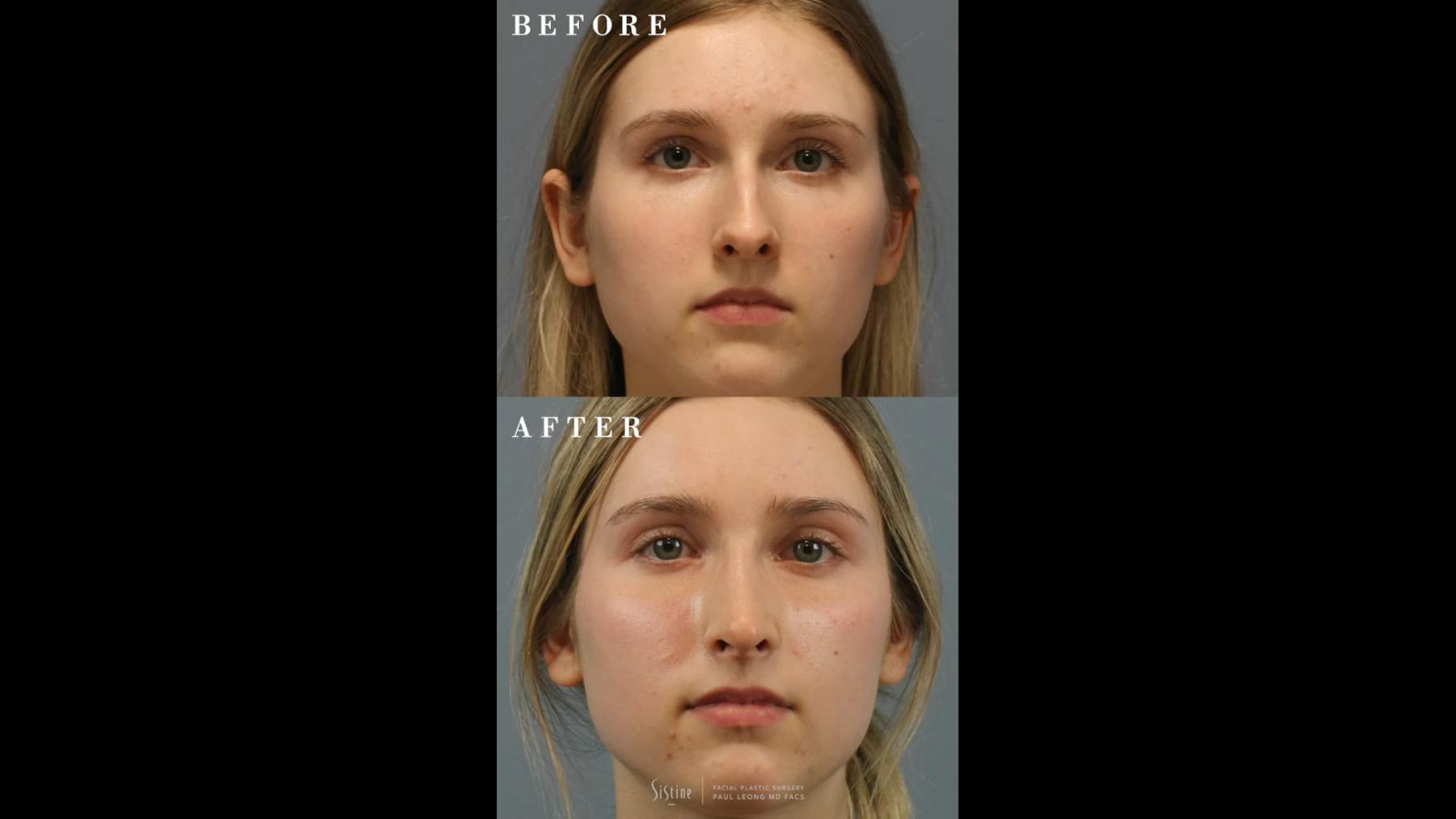
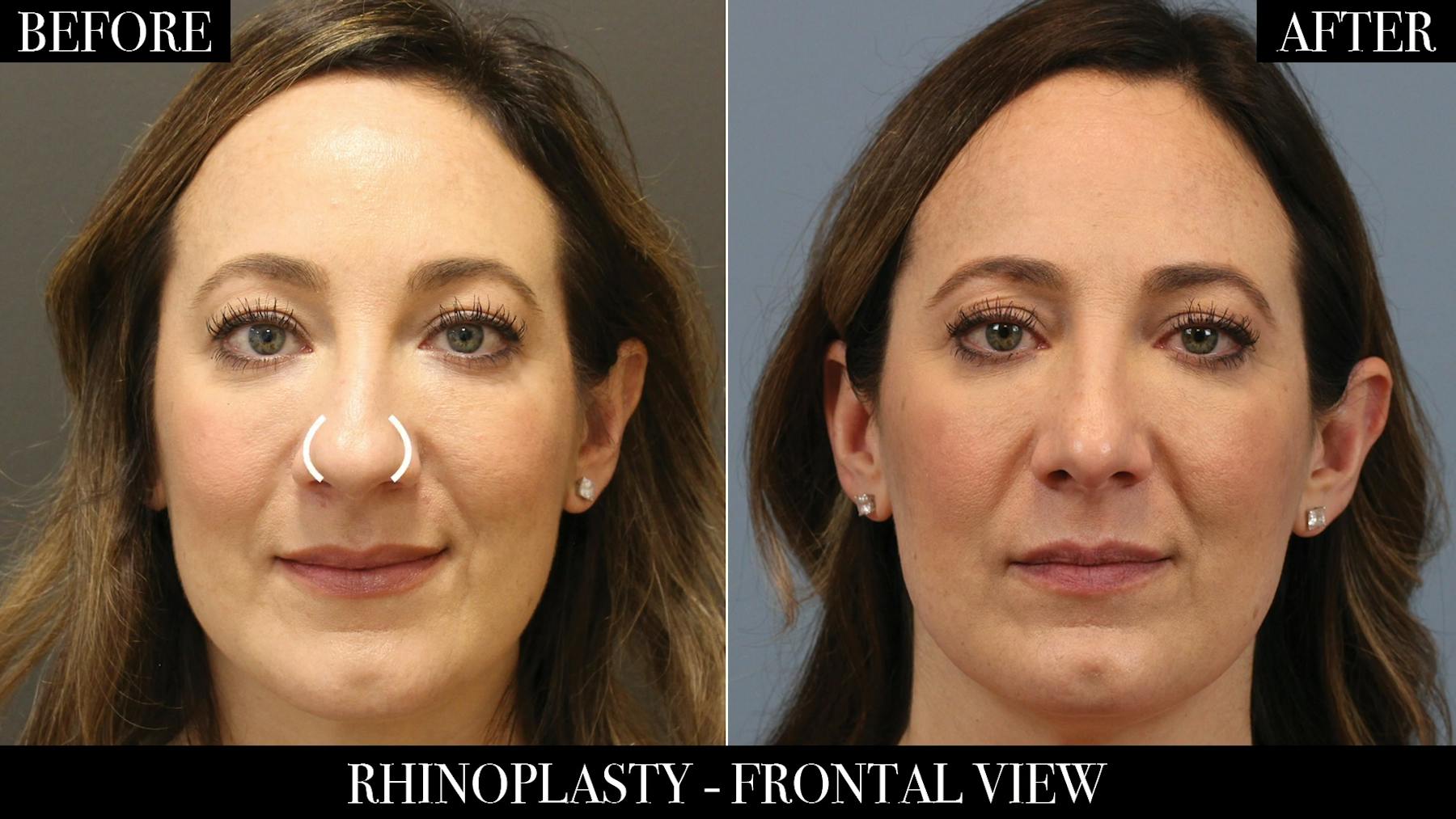
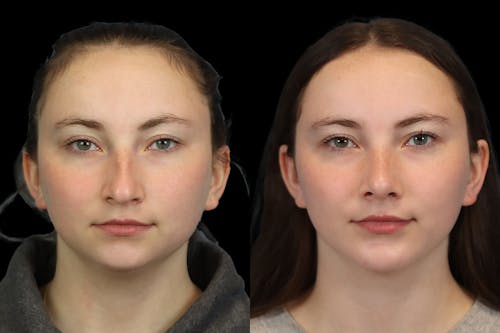
Rhinoplasty Before & After

View More Rhinoplasty Results
Background media

What to Expect During the Procedure

Preservation rhinoplasty is performed under general anesthesia. Depending on the patient’s needs, Dr. Leong may use a closed approach with incisions inside the nostrils or an open approach with a small incision along the columella.

Traditional rhinoplasty often involves rasping or removing bone and cartilage from the nasal bridge, which can affect stability. Preservation rhinoplasty instead relies on controlled modifications that allow the bridge to reposition smoothly without compromising structural integrity.

Nasal tip refinement focuses on reshaping existing cartilage rather than removing large segments, helping maintain long-term support and avoid unpredictable contour changes during healing. Throughout the procedure, careful attention is given to protecting soft tissues and internal support structures for stable, natural-looking outcomes.

Background media

Recovery After Preservation Rhinoplasty

Recovery following preservation rhinoplasty is often gentler compared to traditional techniques. Because less tissue is disrupted, patients frequently experience reduced swelling and bruising. Most individuals take about one week away from work or social activities and avoid strenuous exercise for approximately three weeks.

Detailed postoperative instructions are provided to support safe healing and optimal results throughout recovery.

african american woman smiling and is outside in front of a building

Next Steps Schedule A Consultation

Contact Us
Contact us media

Ready to Begin Your Rhinoplasty Journey?

If you are considering preservation rhinoplasty or would like to learn whether this technique is right for you, we invite you to schedule a consultation with Leong Plastic Surgery in New York City. Dr. Leong will evaluate your nasal anatomy, discuss your aesthetic preferences, and design a personalized surgical plan tailored to your needs.

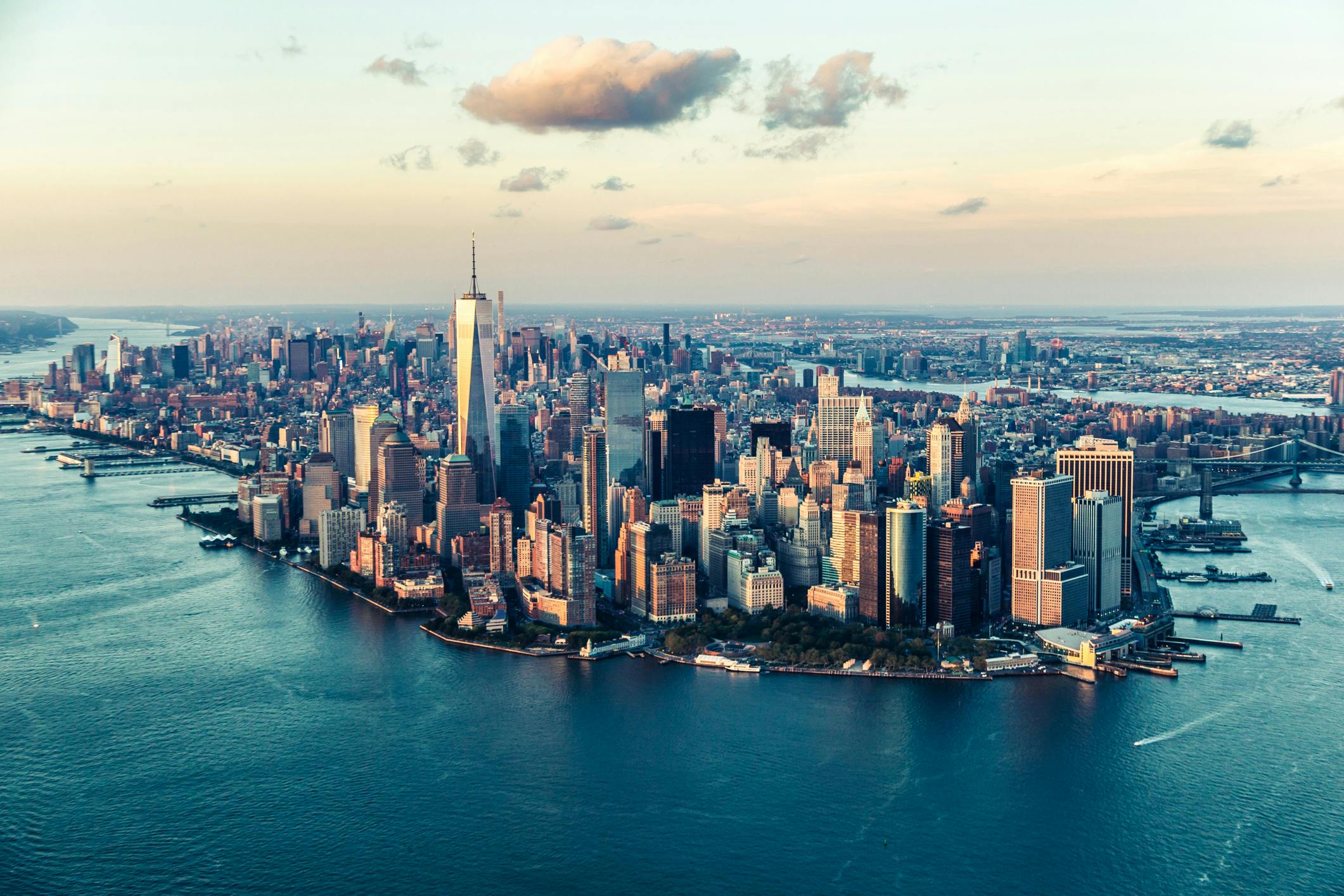
new york city skyline

Preservation Rhinoplasty

Frequently Asked Questions

How is preservation rhinoplasty performed?

Preservation rhinoplasty is typically performed as an outpatient procedure under general anesthesia. At Leong Plastic Surgery in NYC, Dr. Paul Leong begins with a detailed surgical plan tailored to each patient’s nasal anatomy and aesthetic goals. The procedure focuses on reshaping and repositioning existing bone and cartilage rather than removing large portions of nasal structure. Techniques such as controlled osteotomies and precise cartilage modifications are used to maintain the integrity of the nasal dorsum and support structures. Dr. Leong carefully preserves key anatomical areas to promote long-term stability and natural-looking results.


What is the recovery time for preservation rhinoplasty?

Recovery after preservation rhinoplasty is often gentler compared to traditional rhinoplasty techniques. Most patients experience mild to moderate swelling and bruising during the first several days following surgery. Many individuals are able to return to work and light daily activities within one week. Dr. Leong schedules follow-up visits to monitor healing and provides detailed postoperative instructions to support a smooth recovery process.


Are there risks or complications associated with preservation rhinoplasty?

As with any surgical procedure, preservation rhinoplasty carries some potential risks, including infection, bleeding, scarring, or changes in nasal sensation. However, because this technique minimizes disruption to nasal structures, complication rates may be lower compared to traditional rhinoplasty in appropriate candidates. Dr. Leong’s experience in facial plastic surgery and his meticulous surgical approach are focused on maximizing patient safety and minimizing risk.


How long do the results of preservation rhinoplasty last?

The results of preservation rhinoplasty are designed to be long-lasting. By maintaining the nose’s natural support structures, this technique promotes durable aesthetic outcomes. While natural aging and unforeseen injuries can affect nasal appearance over time, most patients enjoy their refined results for many years. Dr. Leong provides guidance on postoperative care to help preserve the longevity of surgical results.


Who is a good candidate for preservation rhinoplasty?

Ideal candidates for preservation rhinoplasty often include patients who have not had prior nasal surgery and are seeking subtle refinement rather than dramatic structural changes. Individuals with a mild to moderate dorsal hump or those who want to maintain their natural nasal character may benefit from this approach. A consultation with Dr. Leong is essential to determine whether preservation rhinoplasty aligns with your anatomy and goals.


Is preservation rhinoplasty right for me?

Preservation rhinoplasty may be a good option if you want to enhance your nose while maintaining its natural appearance. During your consultation at Leong Plastic Surgery in New York City, Dr. Leong will evaluate your nasal structure, discuss your concerns, and explain whether this technique is appropriate for achieving your desired outcome.


FAQ media
Contact us media
Accessibility: If you are vision-impaired or have some other impairment covered by the Americans with Disabilities Act or a similar law, and you wish to discuss potential accommodations related to using this website, please contact our Accessibility Manager at 347-230-2781.
Contact Us